English
 العربية
 Français
 Deutsch
 Nederlands
 中文
 Русский
Egypt grows more dates than any other country in the world. Palm groves stretch from the Nile Delta to Upper Egypt and the desert oases of Siwa, Bahariya and Kharga. Yet for many importers Egyptian dates remain an undiscovered opportunity: a huge production base, a wide choice of varieties and competitive prices. This guide explains the main export varieties and how to buy them with confidence.
Understanding date maturity stages
Dates pass through several stages as they ripen, and different varieties are sold at different stages:
- Khalal — the fruit has reached full size and colour (yellow or red) and is crisp and slightly astringent. Barhi and Zaghloul are eaten fresh at this stage.
- Rutab — partially ripened, soft and very sweet.
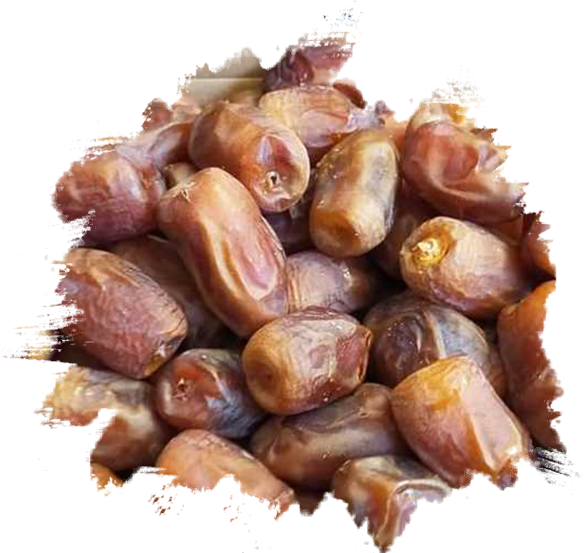
- Tamar — fully ripe, with low moisture and a long shelf life. Medjool and Siwi are traded as tamar dates.
The main export varieties
Medjool — the king of dates
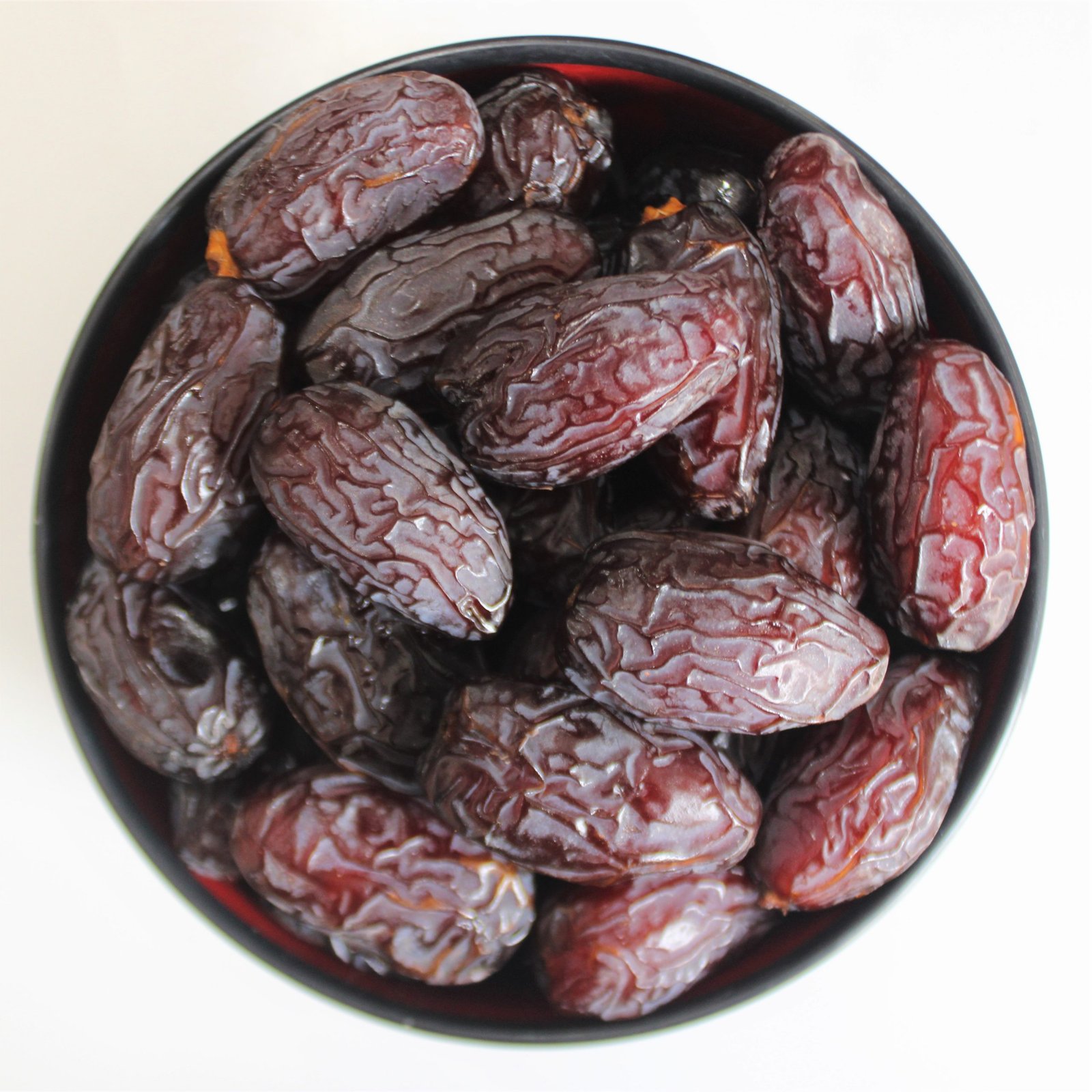
Large, soft and rich, with a caramel-like flavour and a wrinkled amber-to-brown skin. Medjool is the premium date of global retail and gifting. Egyptian Medjool plantations have expanded rapidly in recent years, with fruit graded by size (from medium to jumbo and super-jumbo). Season: September–November. See Premium Medjool.
Barhi — the fresh, golden date
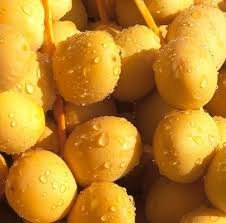
Harvested at the khalal stage on the strand, Barhi has a golden-yellow skin, a crisp bite and a light, honey-like sweetness. It is a seasonal delicacy in the Gulf and Asia and requires cold-chain handling. Season: July–September. See Fresh Barhi.
Siwi (Saidi) — the reliable semi-dry date
Grown in the Siwa Oasis and Upper Egypt, Siwi is a semi-dry date with a golden-brown colour, balanced sweetness and excellent shelf life. It is ideal for retail, wholesale and industrial use in pastes, bars and bakery. Season: October–December. See Semi Dry Siwi.
Zaghloul — the red fresh date
A long, bright-red date eaten fresh at the khalal stage, with a crunchy texture and sweet juice. Zaghloul is a favourite in Egypt and the Gulf during its short August–September season.
Variety comparison
| Variety | Type | Season | Storage | Main markets |
|---|---|---|---|---|
| Medjool | Soft, tamar | Sep – Nov | Chilled / frozen for long storage | Europe, North America, Asia, Gulf |
| Barhi | Fresh, khalal | Jul – Sep | 0–2 °C, short shelf life | Gulf, Asia |
| Siwi | Semi-dry | Oct – Dec | Cool and dry, long shelf life | Africa, Europe, Asia, industry |
| Zaghloul | Fresh, khalal | Aug – Sep | Chilled, short shelf life | Gulf, local markets |
Grading and quality
Dates are graded by size, uniformity, colour, skin separation, moisture and the absence of defects such as insect damage, fermentation, sugaring or mould. Professional packers fumigate or heat-treat dates against storage pests, clean and sort them by hand and optical sorters, and test for residues. When buying, specify:
- Variety, grade and size (e.g. Medjool large/jumbo)
- Moisture range and texture
- Pitted or whole
- Packing and labelling requirements
- Organic or conventional
Packing options
Standard export packing is 5 kg and 10 kg cartons. For retail programmes, dates can be packed in trays, clamshells, gift boxes or pouches under your private label. Fresh Barhi is often packed on the strand in cartons or perforated bags.
Storage and shipping
Semi-dry and dry dates travel well in dry containers in cool seasons, but reefer shipping at low temperature is recommended for premium soft dates and for long voyages in hot weather. Medjool is often kept chilled or frozen to maintain its soft texture until it reaches the shelf. Fresh khalal dates need a continuous cold chain close to 0 °C and fast distribution.
Demand peaks: plan ahead for Ramadan
Demand for dates peaks before Ramadan, when Muslim consumers worldwide traditionally break their fast with dates. Because the Islamic calendar moves about eleven days earlier each year, importers should plan contracts several months in advance to secure the best grades and container space.
Source Egyptian dates with Golden Roots
Golden Roots supplies Medjool, Barhi and Siwi dates from selected groves, cleaned, graded and packed to your specification. Explore our dates or request samples and prices.
Frequently Asked Questions
Is Egypt the largest producer of dates?
Yes. Egypt has been the world’s largest producer of dates for many years, with well over a million tonnes harvested annually.
How should dates be stored?
Semi-dry dates such as Siwi keep well in cool, dry storage, while soft dates such as Medjool should be kept chilled (around 0–4 °C) to preserve texture. Fresh Barhi and Zaghloul at the Khalal stage need cold-chain handling and quick distribution.
What packing is available for dates?
Dates are commonly exported in 5 kg and 10 kg cartons, with retail trays, boxes and private-label packs available on request.