 English
 العربية
 Français
 Deutsch
 Nederlands
 中文
 Русский

Long before Egypt exported oranges and potatoes, it traded herbs and spices. The fertile soils of Middle and Upper Egypt — especially the governorates of Fayoum, Beni Suef, Minya and Assiut — remain among the world’s most important sources of medicinal and aromatic plants. Tea packers, spice blenders, food manufacturers and herbal-product companies around the world rely on Egyptian herbs. This guide introduces the key products.
Herbal flowers
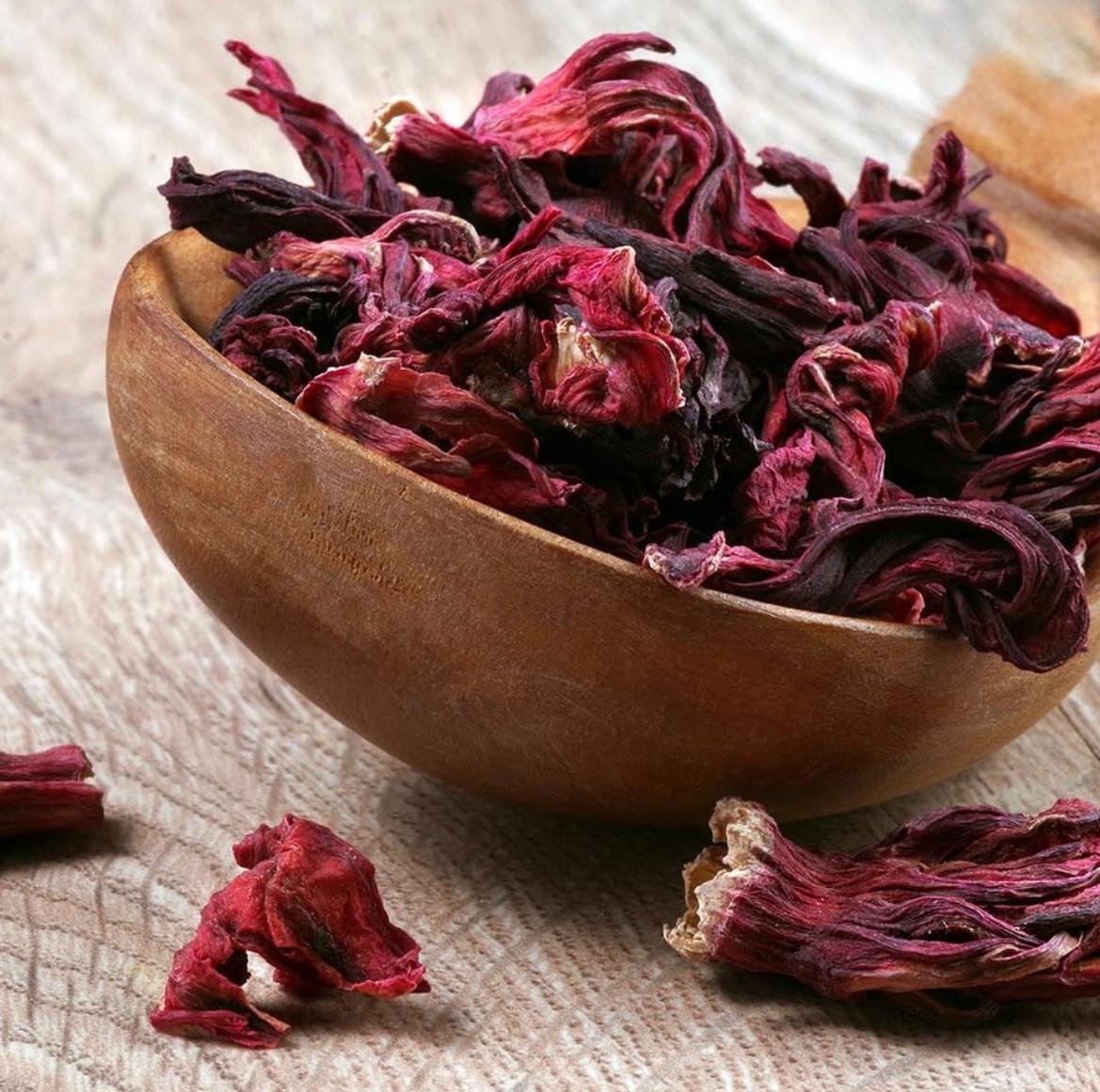
Hibiscus (Hibiscus sabdariffa)
Deep-red dried calyces used for the famous “karkadeh” drink, herbal teas, natural colouring and beverages. Egyptian hibiscus is valued for its strong colour and tangy flavour and is supplied whole, cut (tea bag cut) or as powder. See Hibiscus.
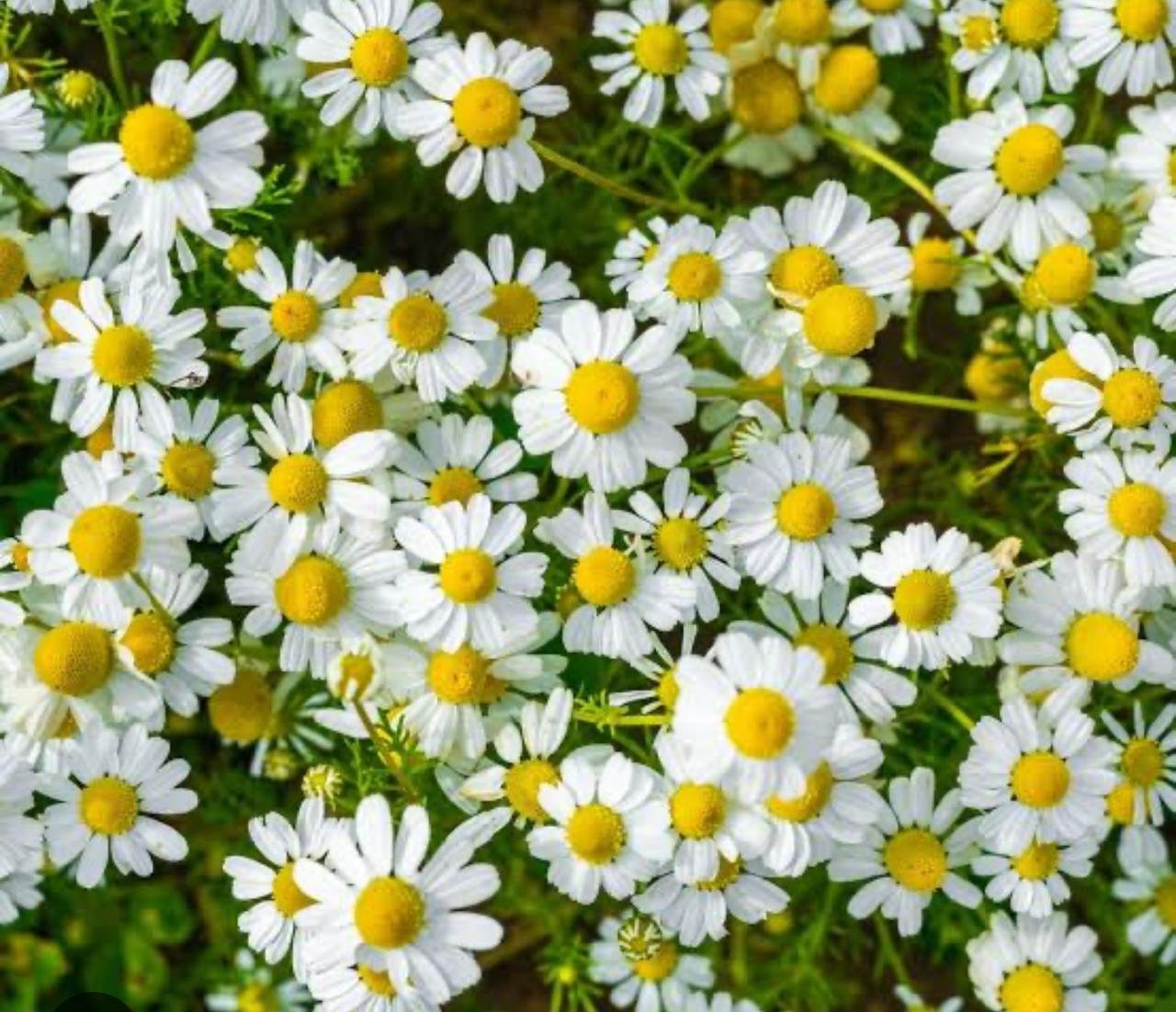
Chamomile (Matricaria chamomilla)
Egypt is one of the leading global suppliers of chamomile flowers, known for their aroma and high essential-oil content. Grades include whole flowers, sifted grades and tea bag cut. See Chamomile.
Calendula and rose petals
Calendula (marigold) petals are used in teas, cosmetics and as a natural colour; rose petals (Rosa damascena / centifolia) in teas, confectionery and perfumery. See Calendula and Rose Petals.
Seeds and spices
| Product | Botanical name | Main uses |
|---|---|---|
| Fennel | Foeniculum vulgare | Herbal tea, spice blends, bakery |
| Anise | Pimpinella anisum | Tea, confectionery, liqueurs |
| Nigella (black seed) | Nigella sativa | Bakery, oil, traditional remedies |
| Coriander | Coriandrum sativum | Spice blends, curry, sausages |
Browse our seeds & spices range.
Herbal leaves
Egypt also supplies dried leaves including spearmint and peppermint, basil, marjoram, lemongrass and dried molokhia. Leaves are offered as whole, rubbed, tea bag cut (TBC) or powder, depending on the end use.
Quality parameters
When buying herbs and spices, define your specification clearly:
- Cut size and grade — whole, sifted, TBC (often 0.5–2 mm or 1–3 mm), powder
- Admixture and foreign matter — maximum percentage of stems, sand and extraneous material
- Moisture — low moisture is essential to prevent mould
- Volatile oil content — key for chamomile, mint, fennel and anise
- Microbiology — total plate count, yeasts and moulds, E. coli, Salmonella
- Residues and contaminants — pesticides, pyrrolizidine alkaloids, heavy metals and mycotoxins where relevant
Processing and cleaning
Raw herbs are dried — traditionally in the sun or in modern dryers — then cleaned, sieved, de-stoned, de-dusted, cut and graded. Optional steam sterilisation reduces microbial load without chemical treatments, which many European buyers require for ready-to-use products.
Packing
- Woven polypropylene or paper bags of 10–25 kg
- Cartons with food-grade inner liners for delicate products
- Pressed bales for some leaves
- Private-label retail packs on request
Seasons
Most herbs are harvested in spring and summer, and dried products can be supplied throughout the year from stock. Booking early in the season gives access to the best lots and grades.
Golden Roots supplies Egyptian herbs, flowers and seeds cleaned and graded to your specification, with lab analysis on request. Explore the range or ask for samples.
Frequently Asked Questions
Which Egyptian herbs are most exported?
Hibiscus, chamomile, fennel, anise, coriander, nigella, basil, marjoram, spearmint and peppermint are among Egypt’s best-known herb and spice exports.
How are dried herbs packed?
Dried herbs and seeds are usually packed in polypropylene or paper bags of 10–25 kg, or in cartons, with options for steam sterilisation and private-label retail packs.
Are lab tests available?
Yes. Products can be tested for pesticide residues, microbiology and other parameters according to the buyer’s specification and destination market.