English
 العربية
 Français
 Deutsch
 Nederlands
 中文
 Русский

Walk into a supermarket in London, Berlin, Dubai or Toronto and you will find a growing freezer section of Middle Eastern and Mediterranean vegetables: molokhia, okra, artichoke bottoms, green beans and more. Demand is driven by diaspora communities, the popularity of Levantine and Egyptian cuisine and the convenience of ready-to-cook ingredients. Egypt is the natural origin for these “oriental” frozen vegetables. Here is what importers should know.
Why oriental frozen vegetables are growing
- Large and growing Arab, Turkish, Mediterranean and African communities worldwide
- Mainstream interest in Middle Eastern food and plant-based dishes
- Busy consumers who want authentic dishes without hours of preparation
- Restaurants and caterers that need consistent ingredients year-round
Frozen molokhia
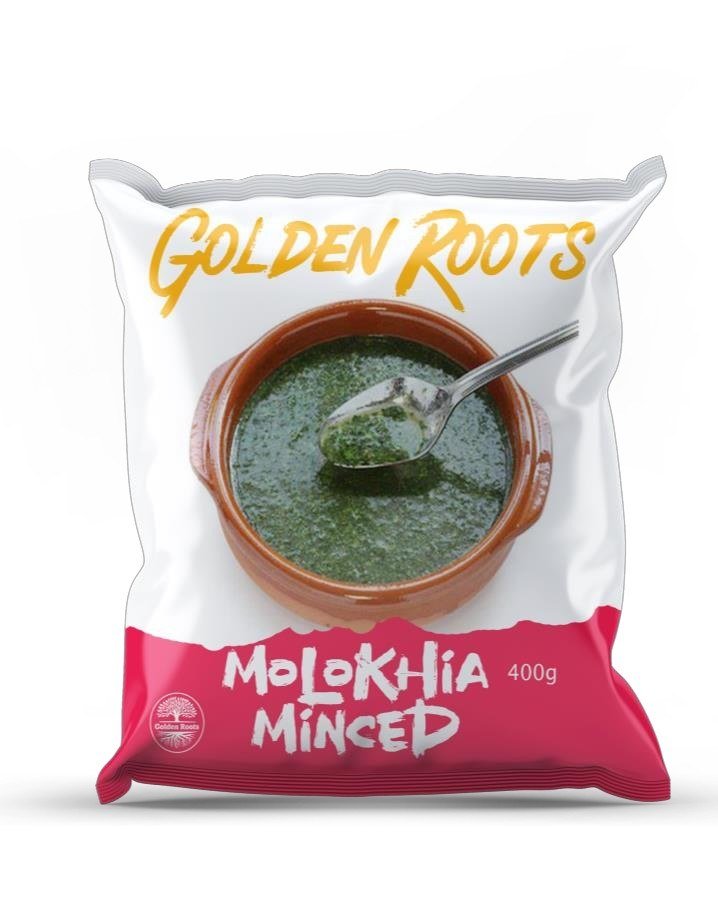
Molokhia (Corchorus olitorius, also called jute mallow) is a leafy green that is finely minced and cooked into a silky soup with garlic and coriander — one of Egypt’s most iconic dishes. Fresh molokhia is seasonal and labour-intensive to prepare, so frozen minced molokhia is the preferred format for most consumers and restaurants abroad.
Golden Roots frozen molokhia is freshly picked, washed, finely minced and rapidly frozen to keep its deep green colour and flavour. It is available in 400 g and 1 kg retail packs and 10 kg bulk, with private label available. Dried molokhia leaves are also available — see dried molokhia.
IQF okra
Okra (bamia) is used in stews across the Middle East, Africa, South Asia and the Caribbean. Buyers usually prefer small pods, which are tender and keep their shape after cooking. Egyptian okra is graded by length — the premium small Baladi grade is around 1–3 cm, with larger grades also available. Pods are washed, trimmed, blanched and individually quick frozen.
See our IQF okra specifications: HS code 0710.80, Balady and other varieties, May–September season, 400 g / 1 kg retail bags and 10 / 20 kg bulk.
IQF artichoke bottoms
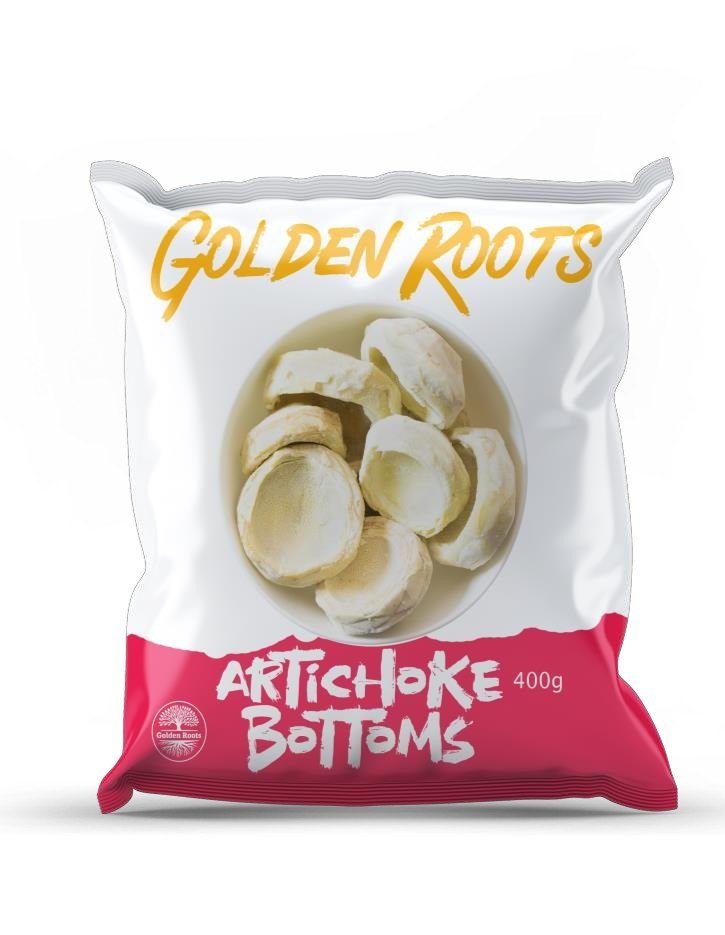
Artichoke bottoms (hearts) are a delicacy in Egyptian, Levantine and Mediterranean cuisine — stuffed, stewed with peas and carrots or added to salads. Preparing fresh artichokes is time-consuming, which makes cleaned, trimmed frozen bottoms especially valuable for restaurants and home cooks. Discover our IQF artichoke bottoms.
IQF green beans
Green beans are a staple in Middle Eastern stews (fasolia) as well as in mainstream cooking. Egyptian beans are harvested young, trimmed, cut, blanched and frozen to stay tender and bright green. See IQF green beans.
Complementary products
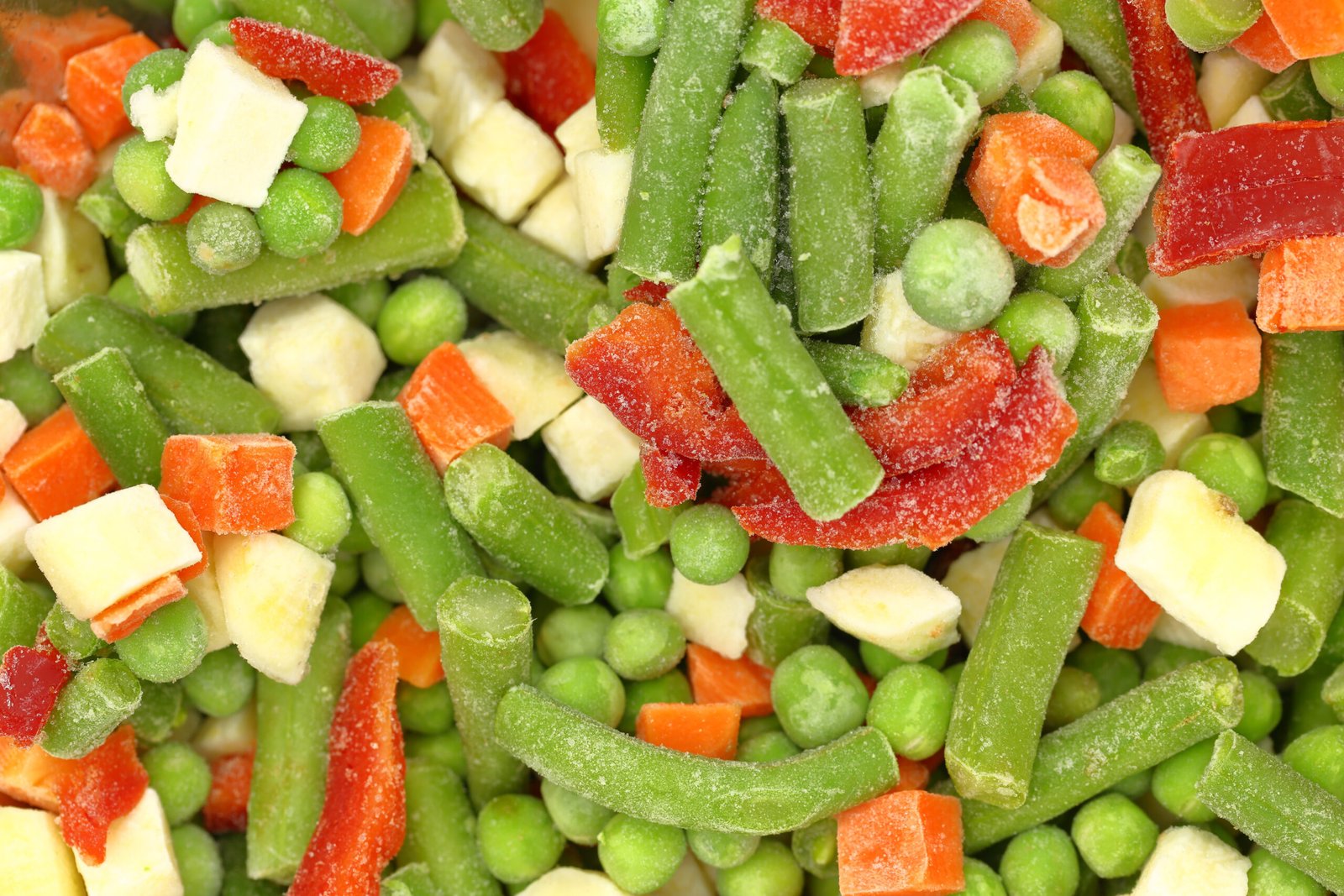
Many importers build a complete oriental frozen range with peas & carrots, green peas, mixed vegetables and fruits such as guava and mango — all available from Golden Roots in a single mixed container.
Specification checklist
| Product | Key points to specify |
|---|---|
| Molokhia | Mince fineness, colour, leaf-to-stem ratio, absence of foreign matter |
| Okra | Length grade, whole or cut, tip trimming, uniformity |
| Artichoke bottoms | Diameter, trimming quality, colour (no browning) |
| Green beans | Whole or cut, cut length, diameter, stringlessness |
For all products, request residue and microbiological testing appropriate to your market and confirm that bags and cartons carry the required labelling in your language.
Packing and shipping
Retail packs of 400 g and 1 kg are the most popular, with bulk 10–20 kg packs for food service and repacking. All products are shipped in reefer containers at –18 °C, with mixed containers possible to help importers manage stock across several items.
Build your oriental frozen range with a trusted Egyptian partner — see our frozen vegetables or request a mixed-container offer.
Frequently Asked Questions
What is molokhia?
Molokhia (Corchorus olitorius, jute mallow) is a leafy green that is finely minced and cooked into a much-loved soup across Egypt and the Middle East.
Which okra grades are available?
Egyptian frozen okra is supplied in small, premium grades such as Baladi (1–3 cm) and larger grades, packed in 400 g and 1 kg retail bags or 10–20 kg bulk.
Who buys oriental frozen vegetables?
Ethnic and mainstream supermarkets, Middle Eastern and Mediterranean restaurants, caterers and ready-meal producers in Europe, the Gulf, North America and beyond.