English
 العربية
 Français
 Deutsch
 Nederlands
 中文
 Русский
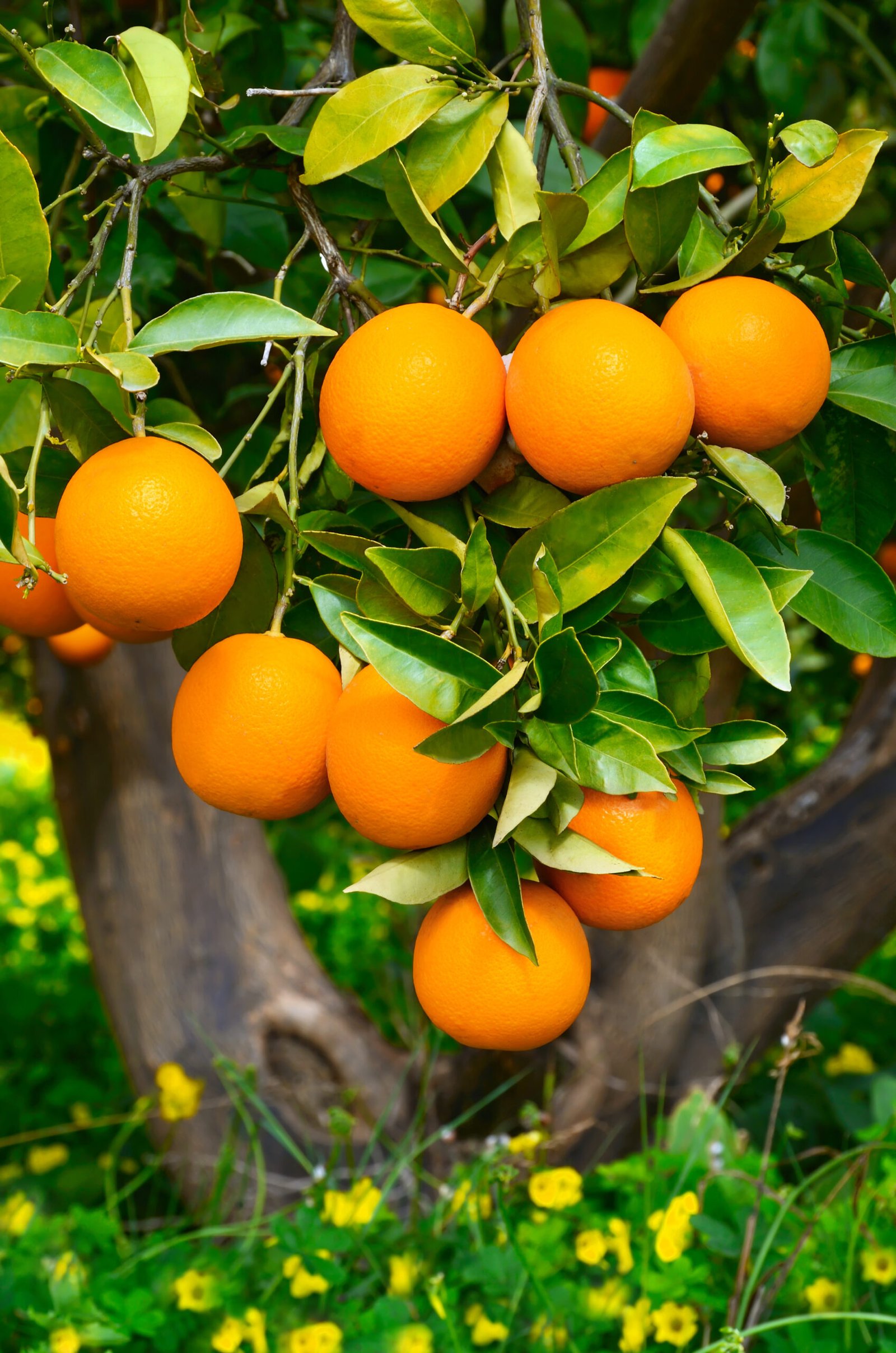
Citrus is the backbone of Egyptian fruit exports. In recent seasons Egypt has shipped well over a million tonnes of oranges a year, making it the world’s leading orange exporter by volume, alongside growing exports of mandarins, lemons and grapefruit. For importers in Europe, the Gulf, Asia and Africa, Egyptian citrus offers a long season, attractive prices and reliable volumes. Here is what you need to know before you buy.
Why Egyptian citrus?
Egyptian citrus is grown in the Nile Delta and in newer reclaimed desert lands west of the Delta and along the desert roads between Cairo and Alexandria. Abundant sunshine produces fruit with good sugar levels and strong colour, while the large planted area ensures continuity of supply. Proximity to Mediterranean and Red Sea ports keeps transit times short — an important factor for a product that is shipped in large volumes under refrigeration.
Main varieties and seasons
| Product | Main varieties | Typical export season |
|---|---|---|
| Navel oranges | Washington Navel, Navelina, Baladi Navel | December – March |
| Valencia oranges | Valencia (late) | February – June |
| Mandarins | Fremont, Clementine, Murcott, Baladi (Yousifi) | November – March |
| Lemons | Adalia, Baladi (lime-type) | February – August, with year-round availability |
| Grapefruit | White, Red, Star Ruby | December – April |
The overlap between Navel and Valencia gives buyers an orange season of six months or more. Valencia is particularly popular for juicing and for markets that want a sweet, juicy orange late in the season — see our Valencia and Navel pages for detailed specifications.
Sizes and counts
Oranges are sized by count — the number of fruits per standard 15 kg carton. Smaller counts mean larger fruit. Typical counts offered from Egypt range from 36 to 100, with 48, 56, 64, 72 and 80 being the most common. Mandarins are graded by diameter (for example 40–80 mm), lemons by count (80–120) and grapefruit by count (30–56). Always specify the counts and the percentage mix you accept per container.
Quality parameters importers should specify
- Brix and juice content — Valencia oranges commonly exceed 50% juice; set minimum Brix/acid ratios if you sell to juicers.
- Colour — degreening may be used early in the season; agree the acceptable colour standard.
- External quality — wind scars, rind blemishes and shape tolerances by class.
- Seeds — important for mandarins; specify seedless or low-seed if needed.
- Residues — compliance with the destination’s MRLs, verified by accredited lab reports.
Post-harvest treatment and packing
After harvest, citrus is washed, sorted, graded by size and colour, and — for long voyages — waxed and treated with approved post-harvest fungicides to control decay. Untreated, unwaxed fruit can be prepared for markets or customers that require it. Packing options include:
- 15 kg telescopic (TSCP) cartons — about 1,600–1,664 cartons per 40ft reefer, suitable for all sizes
- 15 kg open-top cartons — about 1,300 cartons per 40ft reefer, for counts 36–72
- 8 kg and 7 kg cartons, plastic boxes and retail nets for supermarket programmes
- Private-label printed cartons on request
Ask your exporter for the exact pallet configuration so that you can plan warehouse space and unloading.
Cold treatment and market access
Some destinations — including certain Asian markets — require in-transit cold treatment against fruit flies, where the fruit is held at a specified low temperature for a set number of days during the voyage. Your exporter and shipping line must use approved reefers with calibrated probes, and the protocol must be followed exactly. For most European and Gulf markets standard reefer shipping is sufficient.
Shipping temperatures
Oranges are typically shipped at about 2–5 °C depending on variety and voyage length, mandarins slightly higher, and lemons and grapefruit warmer still, because they are sensitive to chilling injury. Ventilation settings are adjusted to remove ethylene and carbon dioxide. Good pre-cooling before loading is essential.
How Golden Roots supplies citrus
We work with selected orchards and modern packing houses, grade every lot to your specification and share photos, videos and inspection results before loading. Fruit is shipped from Alexandria, Damietta or Sokhna depending on destination, with full documentation including phytosanitary and origin certificates. Explore our citrus range — oranges, mandarins, lemons and grapefruit — or ask for a seasonal offer.
Frequently Asked Questions
When is the Egyptian orange season?
Navel oranges are typically available from December to March, while Valencia oranges run from about February to June, giving buyers more than six months of supply.
What size counts are available for Egyptian oranges?
Common counts for 15 kg cartons range from 36 to 100 fruits per carton (for example 48, 56, 64, 72 and 80), and buyers can specify the counts that suit their market.
Are Egyptian oranges treated after harvest?
For long-distance shipments citrus is normally washed, waxed and treated with approved post-harvest fungicides according to the destination market’s maximum residue limits. Untreated fruit can be arranged on request.